Where to next

Lezha Island

The Landscape

Ishull-Lezhë is one of those places in Albania whose name tells you something about its landscape before you even arrive.

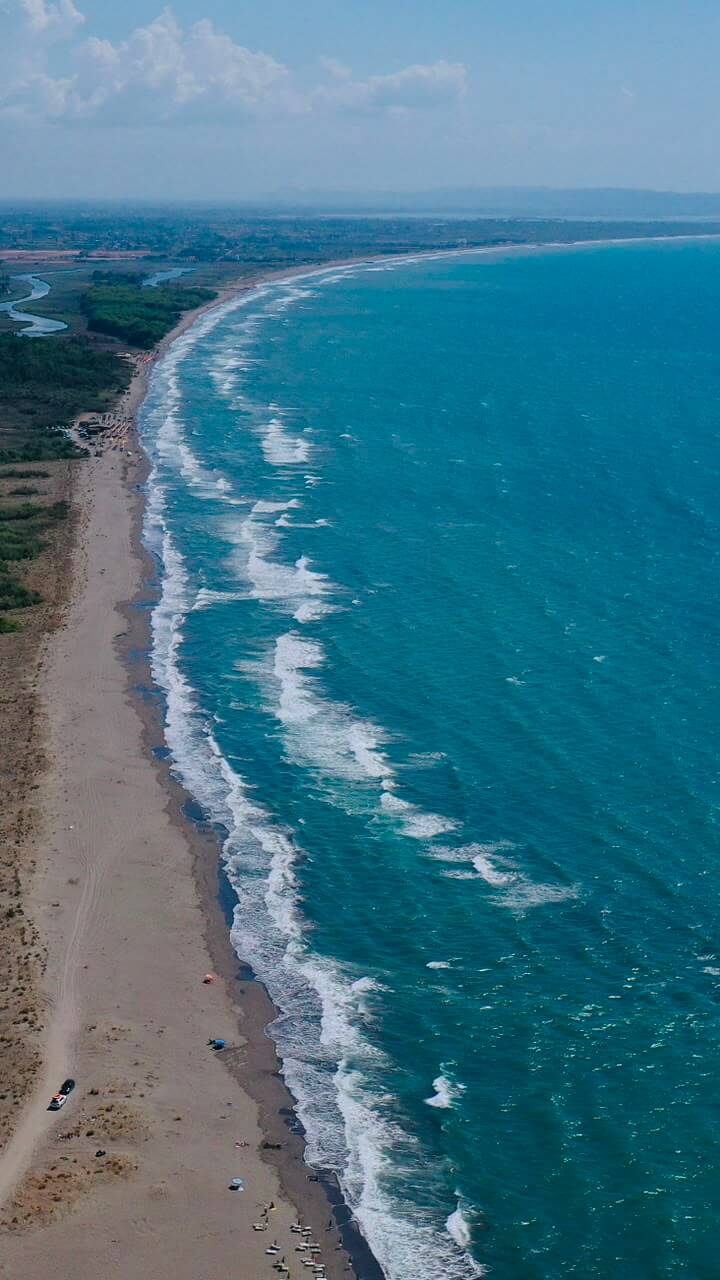
The name translates roughly as “Lezhë Island,” but this is not an island surrounded by open sea. Ishull-Lezhë is a settlement in the Lezhë area, located within a landscape where the Drin River, lagoons, wetlands and the Adriatic coast come together.What makes the place interesting is precisely this relationship with water.

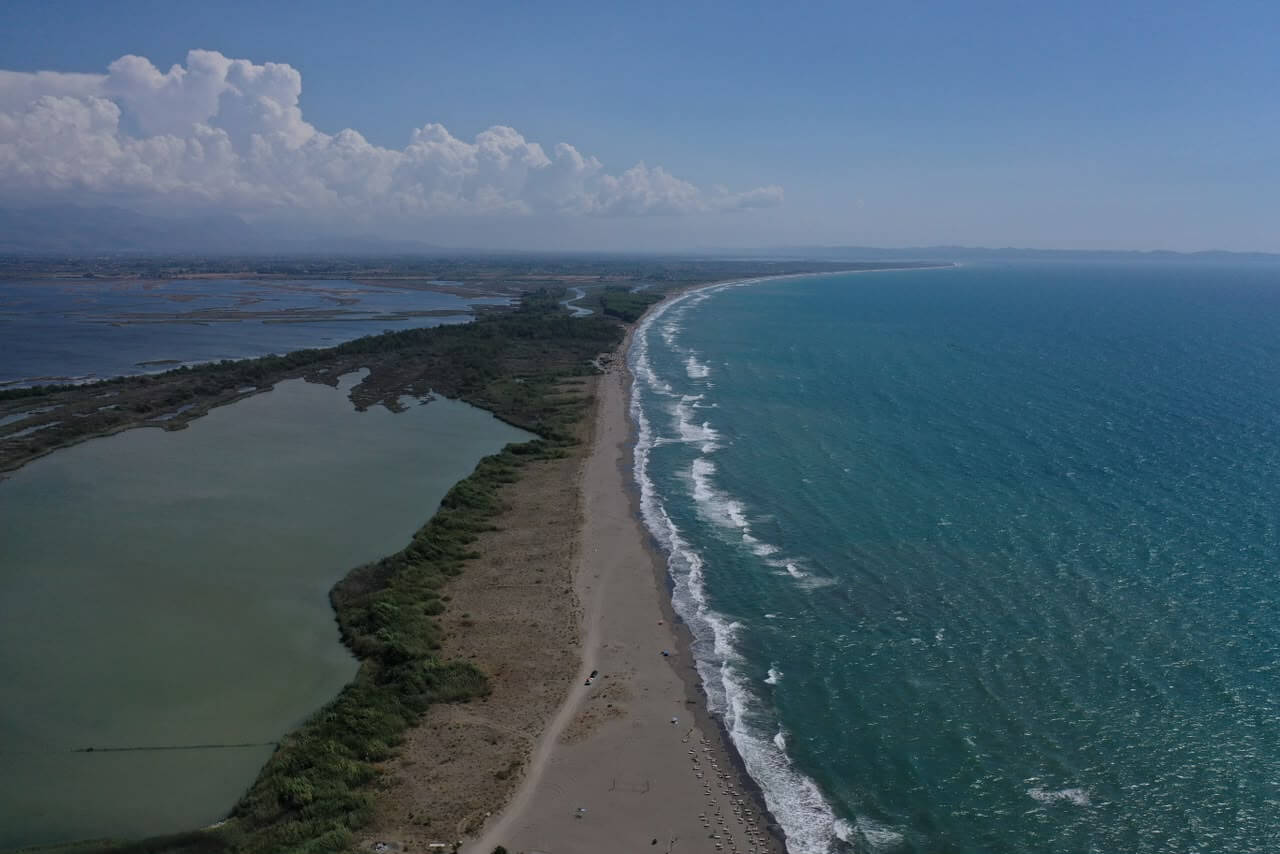
The Drin runs through the wider area toward its estuary, while the Vain and Kune lagoons sit alongside the river and create a landscape of narrow strips of land, canals, wetlands and open water. In some places, the distance between the river and lagoon becomes remarkably small, making the area feel almost like a collection of islands and waterways.

This is a quieter side of the Lezhë region. There are no dramatic mountain peaks or heavily developed seaside promenades here. Instead, the scenery is open and flat, with reeds, fields, waterways, fishing spots and long views across the wetlands.

For anyone looking to experience a different side of Albania, Ishull-Lezhë is a place worth exploring slowly.
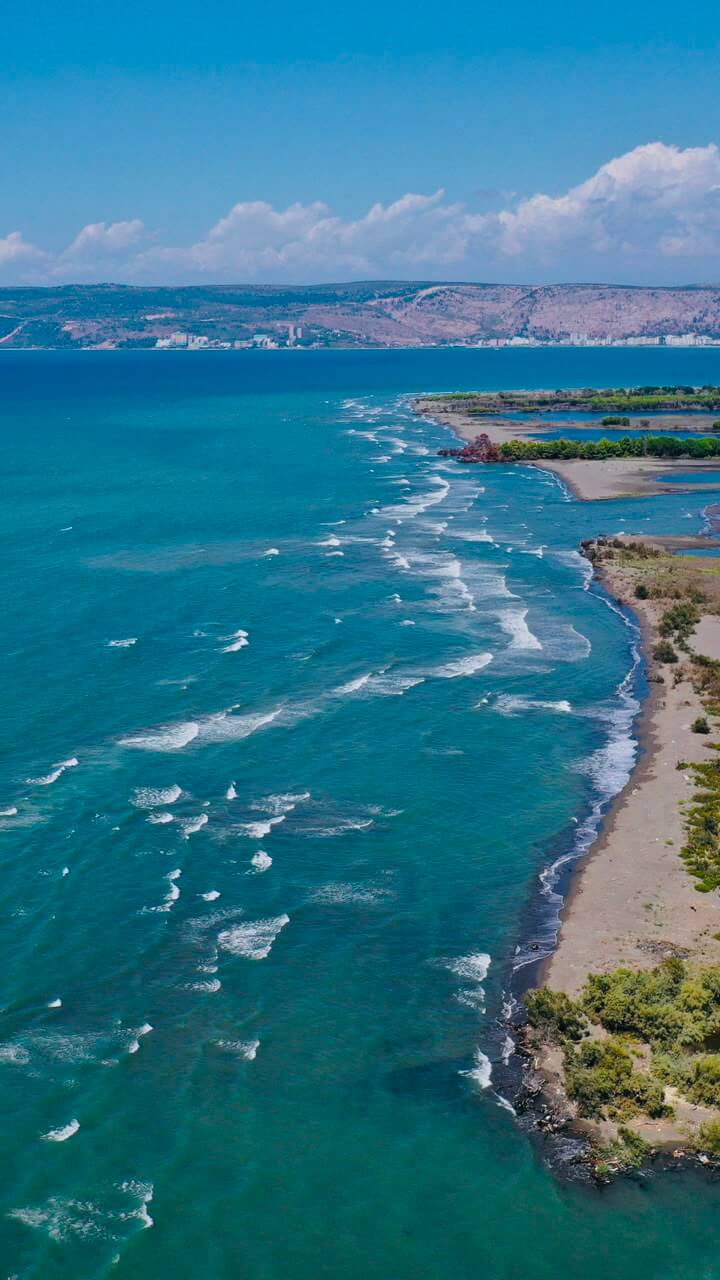
The landscape around Ishull-Lezhë is part of the wider Kune–Vain wetland environment, where fresh and salt water meet around the lower Drin and the Adriatic coast.

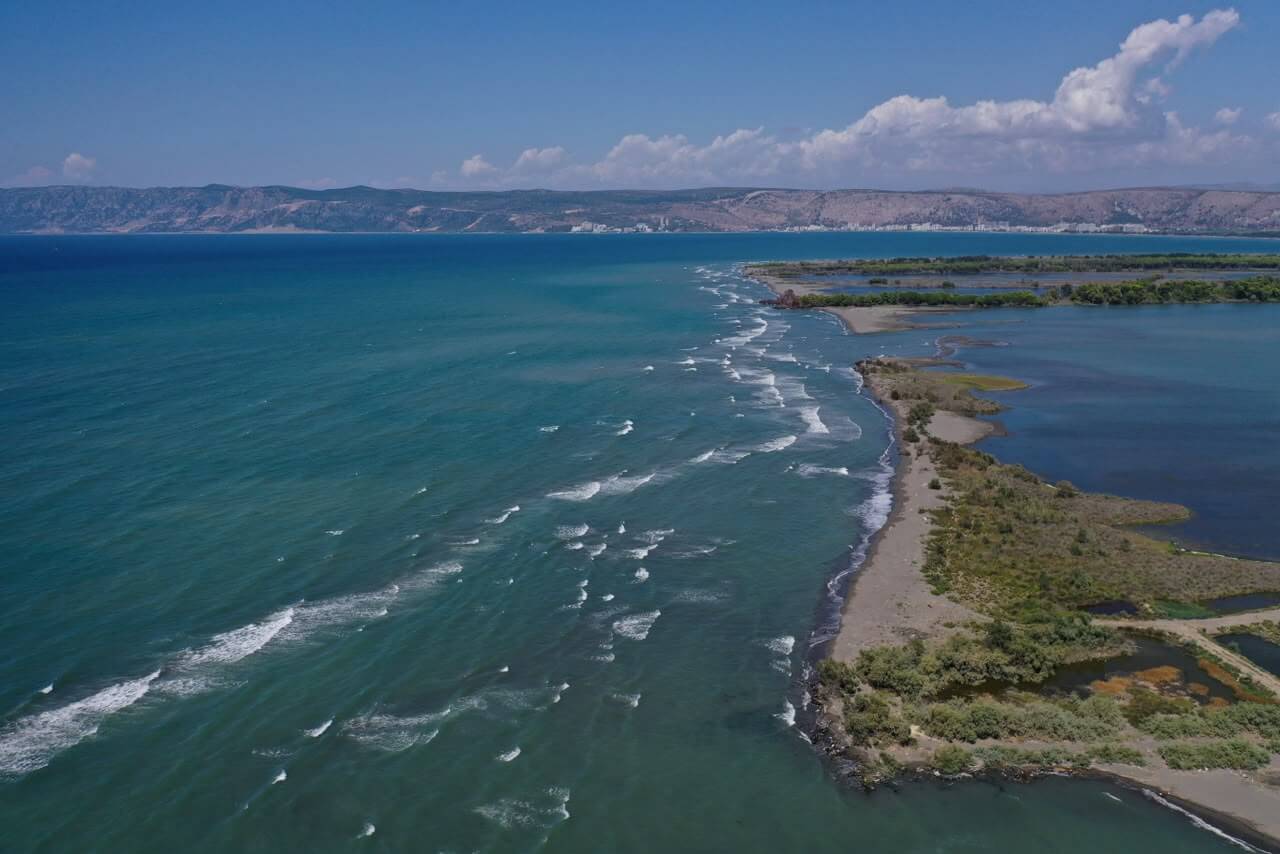
One of the most interesting sections is the narrow strip of land between the Drin River and the Vain and Kune lagoons. At some points, the river and lagoon are separated by only a short distance, creating unusual views where several different water environments appear together.

The area is also part of the wider Kune–Vain–Tale protected landscape, known for its wetlands, forests, lagoons and biodiversity. The reserve is particularly important for birds, with almost 200 species recorded in the wider area.

The best way to experience the landscape is not to rush through it.

Follow the local roads toward the water, stop at the bridges, look across the lagoon and watch how the scenery changes as you get closer to the Drin and the coast.

The Drin River and Lagoons

The Drin is one of the major rivers of Albania, and its lower course creates an important natural environment before reaching the Adriatic Sea. Around Ishull-Lezhë, the river runs alongside the lagoon system, creating a landscape that has traditionally supported fishing and other activities connected with the water.

There are several places around Ishull-Lezhë where visitors can get close to these waterways.

Some are used by local fishermen, while others provide good viewpoints over the lagoon and river. One documented location near the bridge by Hotel Rambuje is particularly narrow, with the Drin on one side and lagoon waters only a short distance away.

Further toward the coast, canals connect parts of the lagoon and river system, eventually leading toward the Drin estuary and the Adriatic.

It is this combination of river, lagoon and sea that gives the area its character.

Ishull Lezhe

Destination Features

Access

By road from Lezhë and the Tirana–Shkodër corridor

Best time to visit

Throughout the year

Difficulty Level

Easy

Fishing

Fishing has long been part of life around Ishull-Lezhë.

The local waterways provide several recreational fishing spots, including the banks of the Drin and canals connecting the river with the Vain Lagoon. There are also fishing locations closer to the mouth of the Drin, where the river meets the sea.

Depending on the location, fishermen can encounter species such as sea bass, bream and eel, as well as other fish and aquatic species found in the lagoon and river environment. Blue crab is also recorded in the area.

You do not have to be an angler to appreciate this side of Ishull-Lezhë. Spending some time beside the water gives you a chance to see a more local and traditional side of the region, away from the busier coastal resorts.
Local Food

The connection between water and food is particularly strong here.

Along the roads through Ishull-Lezhë, there are restaurants where visitors can stop for local dishes, with fresh fish being one of the area's specialties.

The cooking is generally simple.

Fish such as mullet, sea bass and bream may be grilled over embers, while meals are accompanied by fresh vegetables, salads, corn bread, pickles and olives.

It is the kind of food that makes sense in this landscape: simple, local and closely connected to what is produced or caught nearby.

For many visitors, a meal beside the lagoon or river can be as much a part of the Ishull-Lezhë experience as exploring the landscape itself.

Through Our Lens

The hidden coast, captured as we found it

Travel tips

If you are interested in nature, bring your attention to the water and the sky.

The wider Kune–Vain–Tale area is an important habitat for migratory and resident birds. The combination of lagoons, reed beds, wetlands, forests and coastal habitats creates conditions for a large variety of species.

Depending on the season and exact location, visitors may encounter flamingos, Dalmatian pelicans, pygmy cormorants, black-winged stilts, herons, kingfishers and other wetland species.

Spring and autumn are particularly interesting periods for migration, although birdwatching is possible throughout the year.

The landscape is flat and open, which makes it easier to scan the wetlands and distant water from the roadside and designated viewpoints.

Lezhë

The city of Lezhë is the natural starting point for exploring Ishull-Lezhë. Its history, castle and connection with Skanderbeg make it one of the most important cultural destinations in northern Albania.

Vain Lagoon

One of the defining natural features beside Ishull-Lezhë, Vain Lagoon forms part of the wider wetland landscape and provides habitat for numerous bird species.

Kune Lagoon

The Kune lagoon lies within the same coastal wetland system and continues the landscape toward the Adriatic.

Kune Island

Kune Island lies in the Drin delta and is part of the wider natural environment surrounding the lagoons and coast.

Kune Beach

The road toward the coast eventually connects the wetland landscape with the Adriatic beaches around Kune.

Shëngjin

Shëngjin offers a very different atmosphere, with a developed seaside area, restaurants and beaches. It can easily be combined with a visit to the quieter surroundings of Ishull-Lezhë.

Tale

Further along the coast, Tale provides another opportunity to experience the northern Albanian Adriatic.

Ishull-Lezhë can be visited throughout the year, but the experience changes with the seasons.

Spring is a particularly good time for nature, with green vegetation and migratory birds moving through the wetland landscape.

Summer is warmer and is the busiest period for the wider Lezhë and Adriatic coast. It is a good time to combine Ishull-Lezhë with Kune, Shëngjin or other nearby beaches.

Autumn brings cooler temperatures and softer light, making it comfortable for exploring the countryside and waterways.

Winter can be rewarding for birdwatching, when many migratory species use the wetlands.

If your main interest is nature and photography, early morning and late afternoon are especially good times to be outside.

For a visit to Ishull-Lezhë, keep things simple.

Bring comfortable shoes if you plan to explore beyond the roadside, water during the warmer months, sun protection and a camera or binoculars if you are interested in birds.

If you plan to spend time around the lagoons, avoid disturbing birds or entering sensitive wetland areas.

The landscape is relatively open, but some of the quieter areas can feel remote, so it is worth having everything you need with you before heading farther toward the river and coast.

The wetlands around Ishull-Lezhë are more than scenery. They are an important natural habitat and part of the protected Kune–Vain–Tale environment.

Keep the area clean, take your rubbish with you and avoid disturbing wildlife.

If you are photographing birds, keep your distance rather than approaching nests or resting areas.

And when exploring the smaller roads and waterways, remember that these are also working landscapes. Fishing, farming and other local activities are part of everyday life here.

Why Visit Ishull-Lezhë?

Ishull-Lezhë is not about one spectacular landmark.

It is about the landscape.

It is the Drin moving toward the Adriatic, lagoons sitting beside the river, narrow strips of land between different waters, fishermen beside the canals, birds crossing the wetlands and local restaurants serving fish from the surrounding waters.

It is also a chance to see a part of Albania that many visitors simply pass on their way to the coast.

Come here slowly.

Explore the waterways, stop beside the lagoon, have lunch, watch the birds and continue toward the sea.