
The area around Cape of Rodon also includes beaches with pale sand, giving visitors the option of combining the historical sites with time by the sea. The official tourism information for the area highlights walking, hiking, photography and relaxing along the coast as some of the main ways to experience the cape.
Cape of Rodon, known in Albanian as Kepi i Rodonit, is a rocky peninsula extending into the Adriatic Sea at the northern end of the Gulf of Durrës.The peninsula separates the waters of Rodon Bay from Lalëzi Bay, creating a long stretch of coastline where green hills, rocky shorelines and open sea come together. Unlike the more developed beach areas further along the Albanian coast, the end of the peninsula remains largely natural, with walking paths leading through vegetation towards the historical sites and the sea.
Cape of Rodon is particularly known for the combination of landscape and history found in a relatively small area. The remains of Rodoni Castle, also known as Skanderbeg's Castle, stand near the end of the peninsula, while St. Anthony's Church is located nearby. Together, the two sites are among the most important historical landmarks of the cape.
The most important historical landmark on the peninsula is Rodoni Castle, often referred to as Skanderbeg's Castle.
The fortress was built in the first half of the 15th century under the direction of Gjergj Kastriot Skanderbeg. Construction began around 1450 and was completed around 1452. Its position was not accidental: the cape provided a strategic location directly beside the Adriatic, giving the fortress access to the sea while also allowing it to serve as a defensive position.
The original castle was considerably larger than what remains visible today. Historical sources describe defensive walls extending for around 400 metres, together with towers forming part of the fortification.
The castle was affected by the conflicts of the period and was later rebuilt by the Venetians around 1500. Over the centuries, the sea has also taken its toll. Coastal erosion has affected sections of the original fortification, and parts of the walls have been lost to the Adriatic. What remains today is therefore only part of the original structure.
Walking around the remains gives a good impression of why this particular location was chosen. The fortress sits almost at the meeting point between land and sea, with the coastline immediately beside it.
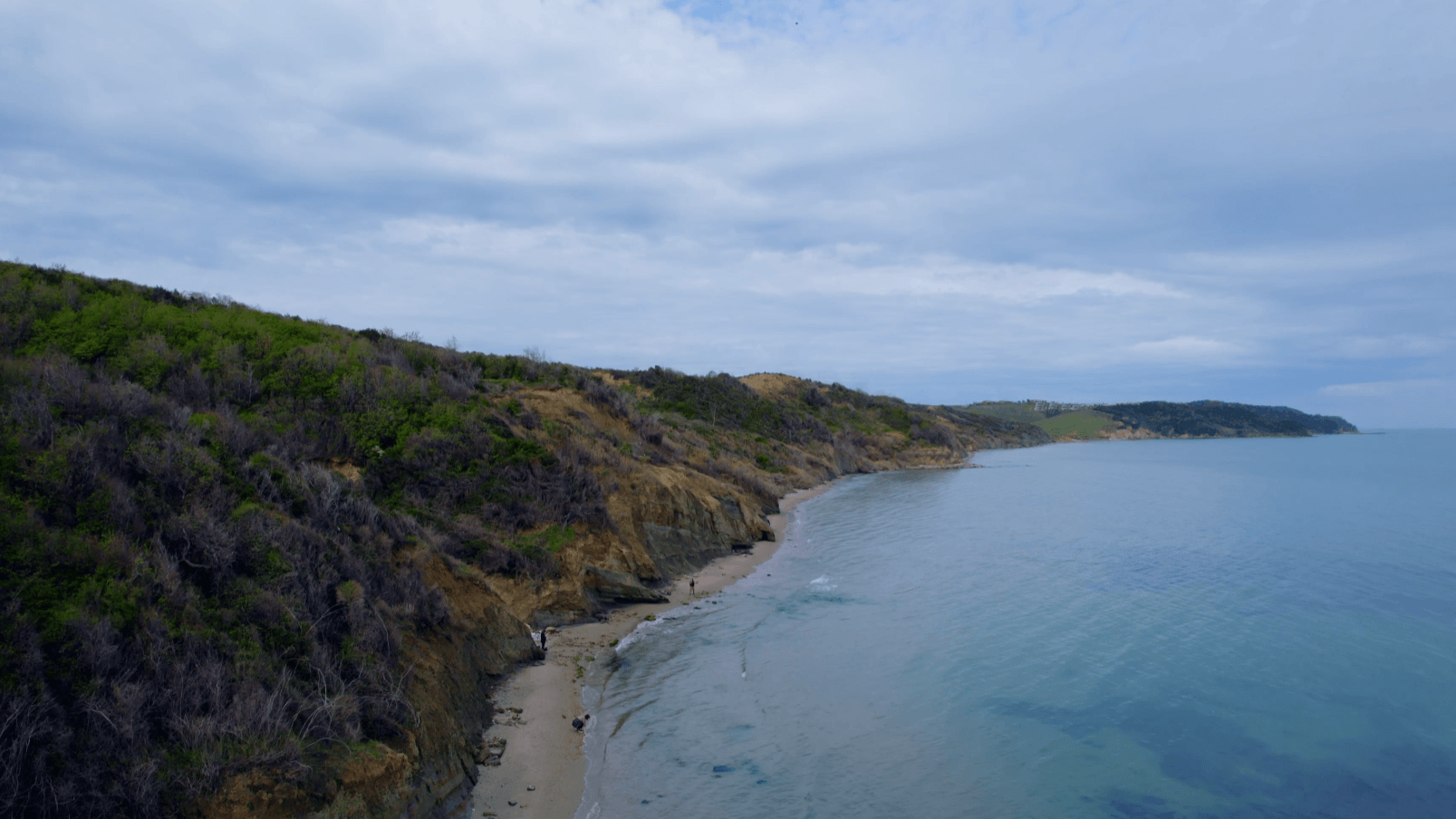
Not far from the castle stands St. Anthony's Church, or Kisha e Shën Ndojit, another important historical monument on Cape of Rodon.
The church forms part of the same medieval landscape as the castle, but its history goes further back. Historical research connects the building with medieval religious communities in the area, and the church has undergone changes over the centuries. It is recognised as a cultural monument and remains one of the most distinctive landmarks on the peninsula.
The church is particularly interesting because of its setting. Rather than standing in a town or surrounded by modern buildings, it is located within the natural landscape of the cape, surrounded by hills and close to the Adriatic coast.
The relationship between the church, the castle and the surrounding landscape is what makes this part of Cape of Rodon unusual. Within a relatively short walk, visitors can move between medieval religious architecture, the remains of a coastal fortress and the open coastline.
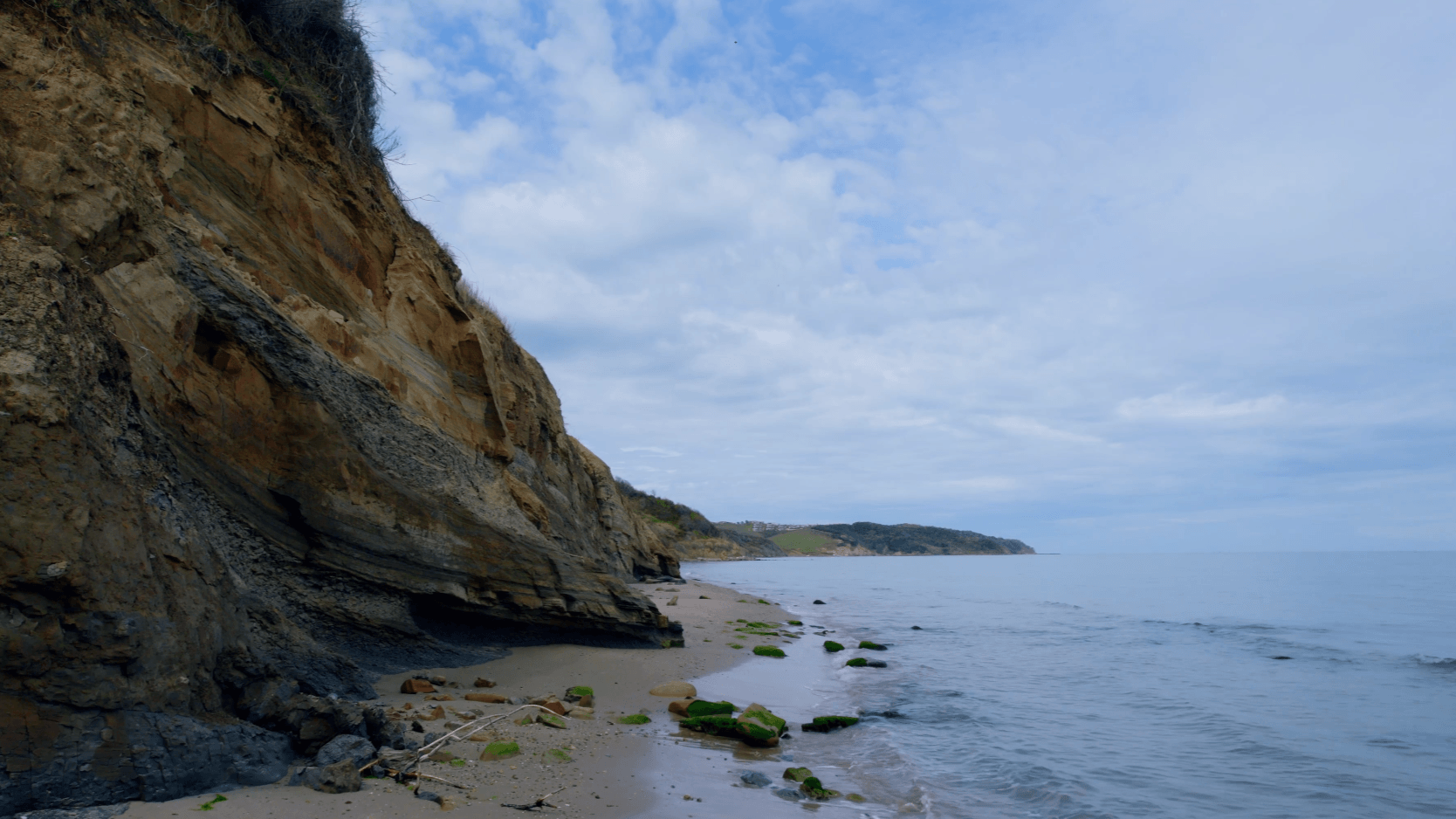
The hidden coast, captured as we found it
Cape of Rodon is interesting because the history here is impossible to separate from the landscape.
The castle was built because of the peninsula's position beside the sea. The church developed within the same coastal landscape, surrounded by hills and close to the water. Today, the remains of both stand within a natural environment that has changed far less dramatically than many other parts of Albania's coast.
Standing near the end of the peninsula, it is easy to understand the strategic importance of the location. The land narrows, the sea surrounds the cape on several sides, and the Adriatic opens out beyond it.
At the same time, the place is not only about military history. The beaches, walking paths, vegetation and open coastline give Cape of Rodon a slower side that is just as important to the experience.
This combination is what makes the cape different from a conventional historical site or beach destination. You come here to see the castle and the church, but you also come to walk through the landscape that connects them.
Cape of Rodon is therefore best understood as a destination where Albania's medieval history, coastline and natural landscape meet in one place. It offers a chance to spend time beside the Adriatic without separating the historical sites from the environment that surrounds them.